Brisbane Roof Repairs — Brisbane licensed roofers Call 0468 185 003

Brisbane Roof Repairs — Tile, Metal and Leak Repairs

Storm and hail damage, leaks, tile and metal roof repairs — by licensed QBCC roofers who work Brisbane's storm season every summer. Tell us what your roof is doing and you'll get a written scope, not a guess from the driveway.

  • Free call, no obligation
  • Qualified and insured operators only
  • Regular maintenance or one-off jobs
  • Servicing all of Brisbane

Talk it through

No obligation. Takes 30 seconds.

No obligation. Your details go to one licensed roofer who covers your suburb.

Why use Brisbane Roof Repairs

Licensed roofers you can check on the QBCC register before they set foot up there.

Licensed, and you can check it

Roofing over $3,300 needs a QBCC licence, and guttering needs one at any value. Every roofer referred here holds one, and you can verify it on the public register before they set foot on the property.

Storm and hail is the local speciality

Brisbane's roofing year runs on the November-to-March storm season. The roofers here work it every summer and know what an assessor will and won't accept.

Tile and metal are different trades

A terracotta roof in Bardon and a corrugated iron Queenslander in Paddington fail in completely different ways. Say which you have and it goes to someone who works on it.

A written report, not a verbal guess

Especially where insurance is involved. You should get photographs and a scope you can hand to an assessor.

Roofing services across Brisbane

The jobs that come up most. Pick what's closest to your situation — or just tell us what's happening and we'll work it out.

See all 11 services

How a roof repair is actually done

Most Brisbane roof problems are not the roof failing. They are the mortar, the fixings or the flashings that hold it together giving up first — and each of those is a different repair at a very different price.

Bedding and pointing are two different things

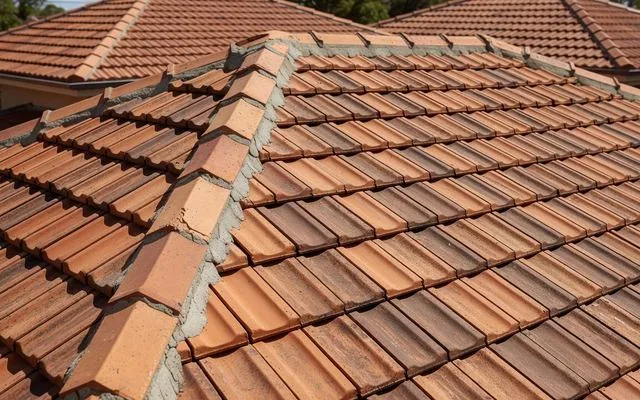
Ridge caps sit on a bed of mortar and are sealed along the edge with pointing. The bedding holds them in place; the pointing keeps water out. They fail at different rates, and the distinction is where quotes diverge.

Repointing alone treats cracked surface mortar. A full re-bed and repoint lifts the caps, removes the old bed and starts again — $1,200 to $3,500. A quote for one when you need the other is the most common way a roof is 'repaired' twice.

A leak is traced, not guessed

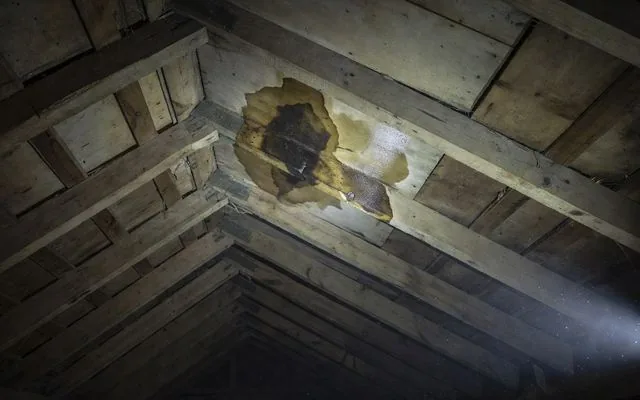
Water runs along battens and rafters before it drops, so the wet patch on your ceiling is rarely under the entry point. Tracing is the skilled part; the repair itself is often trivial.

Leak trace and repair runs $300 to $900. A roofer who quotes a repair without going up and finding the source is quoting a guess, and you will pay for the second visit when the guess is wrong.

Guttering is drainage, and that changes the licence

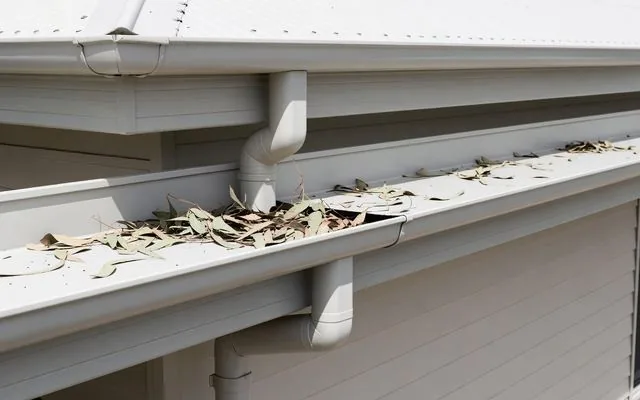
This surprises people. General roof work needs a QBCC licence over $3,300 — but guttering is classified as drainage, which requires a licence at any value.

So a $400 gutter replacement legally needs a licensed contractor even though the same $400 spent on tiles would not. Most homeowners have this exactly backwards, and it is worth knowing before accepting a cheap gutter quote.

After a hailstorm, document before you repair

Two things happen after a serious Brisbane storm: every roofer is booked, and the damage starts getting worse in the next shower.

A temporary make-safe is legitimate and should be photographed. So should the damage, before anyone touches it. Storm and hail repairs run $800 to $8,000, and the gap between those two numbers is usually decided by evidence rather than by the roof.

Metal roofs fail at the fixings first

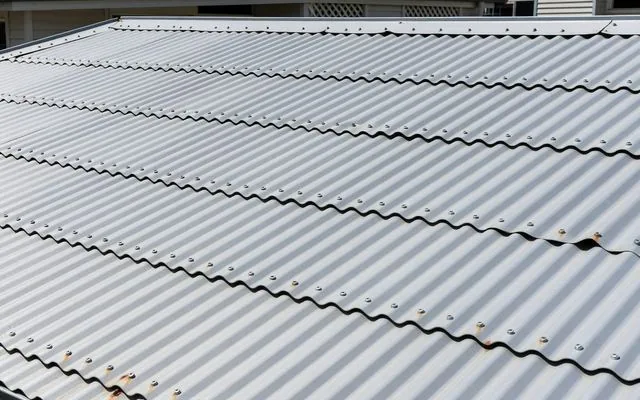
On a metal roof the sheets typically outlast the screws. Washers perish, screws back out, and the roof starts leaking around fasteners while the sheeting itself is sound.

Re-fastening a roof is $800 to $3,000 and is frequently mistaken for needing replacement. Worth having the fixings assessed before pricing a new roof.

What actually damages Brisbane roofs

Three things account for most of the roof work in this city, and two of them arrive between November and March.

Hail is the one that writes roofs off

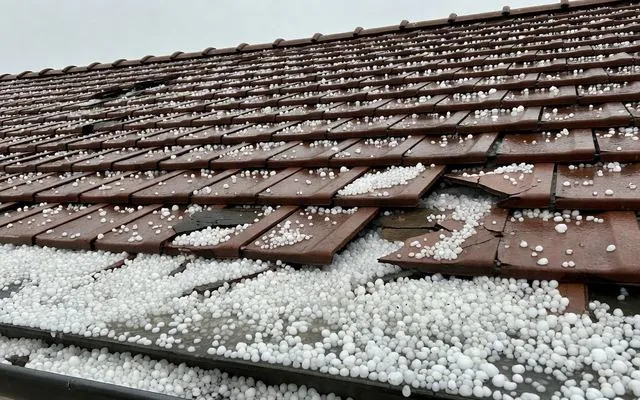
Brisbane sits in one of Australia's most active hail corridors, and the summer storm season from November through March is when most roofs here get damaged. Hail cracks and shatters concrete and terracotta tiles, and dents metal sheeting badly enough to break the coating even where it doesn't puncture. The damage is often invisible from the ground and only shows up as a leak weeks later, which is why a post-storm inspection matters more than waiting to see a stain.

Queenslanders and corrugated iron

A large share of Brisbane's older housing is elevated timber with corrugated iron, much of it long past its original coating life. These roofs fail differently to tile: rust starts at fixings and laps, screws back out as the timber battens move, and the sheeting lifts in high wind rather than breaking. Replacing fasteners and re-sealing laps is often the whole repair, and it is far cheaper than a re-roof if it's caught before rust takes the sheet.

Storm season means insurance

More roofing work in Brisbane goes through an insurance claim than in most Australian cities. That changes what a homeowner needs: photographs taken before anything is touched, a written report that distinguishes storm damage from pre-existing wear, and a licensed contractor whose paperwork an assessor will accept. A cheap unlicensed repair can invalidate the claim it was meant to fix.

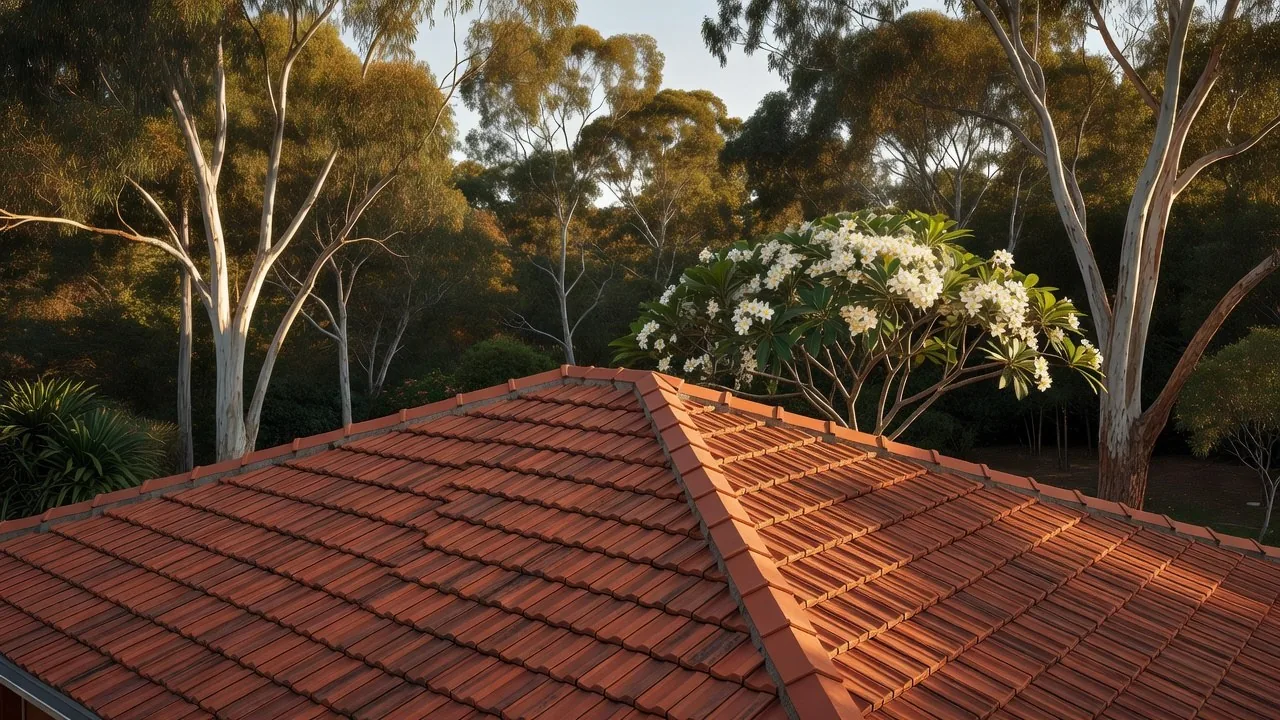
A tile roof on a Brisbane home after storm damage repair

Two of those three arrive between November and March, which makes roofing here a seasonal trade. The quiet months are when you get the best roofers and the best prices — and the worst time to need one is the week after a hailstorm.

What does roof work cost in Brisbane?

An inspection and written report is $150 to $400 and usually comes off the job. Most repairs land between $300 and $3,500. A full re-roof runs $15,000 to $35,000.

See the full price guide

How long does roof work take?

Weather governs this more than the work does. A roof cannot be opened up with rain coming.

Inspection and written report1–2 hoursIncludes photographs and a scope you can compare against other quotes.
Leak trace and repair2–4 hoursFinding it is most of the job; the repair is often quick.
Replacing broken or slipped tiles1–3 hoursLonger if matching an old profile takes sourcing.
Re-bed and repoint ridge capping1–3 daysDepends on ridge metres and whether the mortar has to cure between stages.
Gutter replacement1–2 daysQuoted per metre; downpipes and fall adjustments add time.
Storm damage repairMake safe same day, full repair laterThe queue after a serious event is the constraint, not the work.

What makes a job take longer

Get the scope in writing before work starts, especially on ridge capping — 'repoint' and 're-bed and repoint' are very different jobs at very different prices, and the word on the quote is what you are agreeing to.

Does your roofer need a QBCC licence?

Roofing is licensed work in Queensland, and the rules have one trap in them worth knowing before you get quotes: the dollar threshold that applies to roof work does not apply to guttering.

Approval is required for:

  • any building work valued over $3,300 — that requires a QBCC licensed contractor, and most roof repairs and every restoration or re-roof exceed it
  • guttering, downpipes and anything connected to stormwater — that is drainage work and requires a licence at ANY value, with no dollar threshold at all
  • roof tiling, roof and wall cladding, and roof plumbing are three SEPARATE QBCC licence classes — a licence in one is not a licence in the others

Approval is not required for:

  • an owner-builder working on their own home, up to $11,000 or under an owner-builder permit — though working at height on a Brisbane roof is a genuinely bad DIY choice
  • very minor work under $3,300 that involves no drainage — which in practice is a small patch repair and little else

The QBCC keeps a free public register — search the licence number before work starts. It matters more on roofing than most trades: unlicensed building work is not covered by the Queensland Home Warranty Scheme, and an insurer assessing a storm claim can decline it if the repair was done by someone not licensed to do it. Source: Brisbane City Council. Over $3,300 for roof work — and at ANY value for guttering, because that's classified as drainage. Most people have that backwards.

Full permit rules explained

Areas we cover near Brisbane

Coverage runs across greater Brisbane — the inner suburbs, out west through Kenmore and Ipswich, north to Redcliffe and North Lakes, and south through Mount Gravatt and Logan to the bayside.

An established Brisbane street of homes with tile and iron roofs
Brisbane CityNew FarmPaddingtonAshgroveBardonToowongIndooroopillyChapel HillKenmoreSherwoodGracevilleAnnerleyHolland ParkCamp HillCoorparooBulimbaHawthorneMorningsideCarindaleMount GravattSunnybankWynnumManlyAspleyChermsideEverton ParkMitcheltonThe GapFerny GroveAlbany CreekBridgeman DownsNundahClayfieldRedcliffeNorth LakesSpringfieldForest LakeCapalabaClevelandIpswichLogan Central

Questions Brisbane homeowners ask

Do roofers need a licence in Queensland?

Yes for almost anything worth having. A QBCC licence is required for building work valued over $3,300, which covers most repairs and every restoration or re-roof. Guttering and downpipes connected to stormwater are classified as drainage and need a licensed person at any value — there's no dollar threshold on that at all. Roof tiling, roof and wall cladding, and roof plumbing are three separate licence classes, so check the roofer holds the right one for your job.

How do I know if hail damaged my roof?

Often you can't from the ground, which is the problem. Hail cracks tiles without dislodging them and dents metal sheeting in ways that break the protective coating without puncturing it. Both leak later, sometimes months later. After a significant hailstorm the sensible move is an inspection and a written report, not waiting for a ceiling stain — by then the claim is harder to attribute to the storm.

My ceiling is stained but I can't find the leak. Why?

Water rarely enters where it appears. It travels along battens, rafters and sarking before it drops, so the entry point is often metres uphill of the stain. That's why leak tracing is charged as its own job — finding it is genuinely most of the work, and anyone quoting a leak repair without going up to look is guessing.

Is roof restoration worth it or is it just a paint job?

It's cleaning, re-bedding and repointing the ridge capping, replacing broken tiles and then coating. The re-bedding and repointing is real work that genuinely extends the roof's life. The coating is largely cosmetic and sealing. It is not a structural repair, so if battens or timbers are gone, restoration will not fix that and you should be told so.

Should I go through insurance for storm damage?

Usually yes if the damage is significant, but photograph everything before anything is touched or tarped. Insurers routinely ask whether the roof was already deteriorated, and a pre-existing rust or wear problem is generally not covered. Get a written report that separates storm damage from age, and use a licensed contractor — unlicensed work can give an insurer grounds to decline.

Tile or Colorbond when I re-roof?

Tile suits the existing look of most established Brisbane suburbs and handles heat well. Colorbond is lighter, faster to install, sheds hail impact better and doesn't need repointing. Changing from tile to metal reduces the load on the frame, which is usually fine, but the battens normally have to be replaced and that's a real part of the cost.

What does re-screwing a metal roof involve?

On older Queenslanders the roof sheeting is often sound but the fasteners have backed out or the rubber washers have perished, which lets water in at every screw. Replacing the fasteners across the roof costs a fraction of re-roofing and solves a surprising number of leaks. Worth asking about before accepting a replacement quote.

Do you cover Ipswich, Logan and Redcliffe?

Yes — coverage runs across greater Brisbane from Redcliffe and North Lakes in the north, out to Ipswich and Springfield in the west, and south through Logan to Cleveland and the bay. Those sit in different councils to Brisbane City, but QBCC licensing is set at state level and doesn't change across the boundary.
Get your roof inspected

Tell us the suburb, the roof type and what you're seeing.

Call 0468 185 003